

If you have an old, unused car sitting in your driveway with no title, you might think that it’s just a useless piece of junk. But believe it or not, you can still unlock some cash by selling it! In this article, we’ll show you how to sell your vehicle without a title and turn that eyesore into extra money in your pocket.
Selling a car without a title may seem complicated, but it’s not impossible. With the right information and steps to follow, you can find interested buyers and navigate the process smoothly. Whether your title is lost, stolen, or you never received one in the first place, we’ve got you covered.
We’ll walk you through the importance of understanding your state’s specific requirements, finding buyers who are open to purchasing vehicles without titles, and guiding you on the necessary paperwork and documentation needed to finalize the sale. Plus, we’ll provide you with tips on how to maximize your profits and avoid potential scams.
Ready to unlock cash for your junk car, even without a title? Let’s dive in and discover how!
Understanding the challenges of selling a vehicle without a title
Selling a car without a title can present a unique set of challenges, but it is not an impossible task. The primary obstacle lies in the fact that a title is typically considered the legal proof of ownership, and without it, potential buyers may be hesitant to engage in the transaction. This is because a title-less vehicle raises concerns about the car’s history, potential liens, or even the possibility of it being stolen.
Furthermore, the specific requirements for selling a car without a title can vary significantly from state to state. Each jurisdiction has its own regulations and procedures that must be followed, which can make the process more complex and time-consuming. Navigating these varying regulations can be a daunting task for those unfamiliar with the process.
Despite these challenges, there are still ways to successfully sell a vehicle without a title. By understanding the potential pitfalls and being proactive in addressing them, you can increase your chances of finding a buyer and completing the sale. The key is to approach the process with patience, diligence, and a willingness to provide the necessary documentation and assurances to potential buyers.
Can you sell a car without a title?
The short answer is yes, you can sell a car without a title, but the process may be more complicated and may require additional steps. In most states, a vehicle title is considered the legal proof of ownership, and it is typically required to complete a sale. However, there are exceptions and alternative methods that can be used to sell a car without a title.
One common scenario where a car may be sold without a title is when the original title has been lost or misplaced. In these cases, the owner may need to obtain a duplicate title from the DMV before proceeding with the sale. Another situation is when the vehicle was purchased without a title, such as in the case of a junk or salvage car. In these instances, the owner may need to follow specific procedures to establish ownership and obtain a new title.
It’s important to note that the legality and feasibility of selling a car without a title can vary greatly depending on the state and local laws. Some states may have more lenient requirements, allowing for the sale of vehicles without a title, while others may have stricter regulations that make it more challenging. Understanding the specific laws and requirements in your state is crucial before attempting to sell a car without a title.

Alternatives to obtaining a title for your junk car
If you find yourself in a situation where you need to sell a car without a title, there are several alternatives to consider. One option is to obtain a duplicate title from the DMV. This process typically involves providing documentation to prove your ownership of the vehicle and paying the necessary fees. The specific requirements and procedures for obtaining a duplicate title can vary by state, so it’s important to research the guidelines in your area.
Another alternative is to apply for a bonded title. This involves obtaining a surety bond, which serves as a guarantee that you have the legal right to the vehicle. The bond amount is usually based on the value of the car, and it provides protection for the buyer in case any issues arise related to the ownership of the vehicle. The process of obtaining a bonded title can be more complex and time-consuming, but it can be a viable option for selling a car without a traditional title.
In some cases, you may also be able to sell your junk car without a title by providing alternative documentation, such as a bill of sale, a salvage certificate, or a junkyard receipt. These documents can help establish your ownership and demonstrate that the vehicle is being sold legitimately. However, the acceptance of these alternative documents may vary depending on the buyer and the specific state regulations.
It’s important to note that the options for selling a car without a title may be limited, and the process may involve additional costs and paperwork. It’s always best to consult with local authorities or a legal professional to ensure that you are following the proper procedures and complying with all relevant laws and regulations.
Steps to sell your vehicle without a title
Selling a car without a title can be a complex process, but with the right approach, it can be done successfully. Here are the steps you can follow to sell your vehicle without a title:
- Determine the value of your car: Before you can sell your vehicle, it’s important to understand its value. Research the make, model, year, and condition of your car to determine its approximate worth. This will help you set a fair price and negotiate with potential buyers.
- Gather necessary documentation: Even though you don’t have a title, you’ll need to provide other documentation to prove your ownership of the vehicle. This may include a bill of sale, a salvage certificate, or a junkyard receipt. Make sure you have these documents ready to present to potential buyers.
- Comply with state and local regulations: Each state has its own laws and regulations regarding the sale of vehicles without a title. Research the requirements in your state and ensure that you follow the proper procedures. This may involve obtaining a surety bond or applying for a bonded title.
- Find potential buyers: Reach out to junk or salvage yards, auto parts stores, or even private individuals who may be interested in purchasing your car without a title. Be upfront about the lack of a title and provide all the necessary documentation.
- Negotiate the sale: Expect potential buyers to offer a lower price due to the lack of a title. Be prepared to negotiate and provide assurances about the vehicle’s history and condition.
- Complete the sale and transfer of ownership: Once you’ve reached an agreement with the buyer, you’ll need to complete the necessary paperwork to finalize the sale. This may include signing a bill of sale, transferring the vehicle registration, and providing any other required documentation.
- Notify the DMV: Depending on your state’s requirements, you may need to notify the DMV about the sale of the vehicle without a title. This ensures that the transaction is properly recorded and that the vehicle is no longer registered in your name.
Remember, the process of selling a car without a title can be more complex and may involve additional steps, so it’s important to research the specific requirements in your area and be prepared to provide the necessary documentation to potential buyers.
Researching the value of your junk car
Before attempting to sell your junk car without a title, it’s crucial to research its value accurately. This will not only help you set a fair price but also ensure that you are not taken advantage of by potential buyers. There are several factors to consider when determining the value of your junk car:
- Make, model, and year: The make, model, and year of your vehicle are the primary factors that will influence its value. Older, less popular models may have a lower value compared to more recent and in-demand vehicles.
- Condition: The overall condition of your junk car, including its mechanical and cosmetic state, will greatly impact its worth. Vehicles with significant damage or wear and tear may have a lower value.
- Mileage: The vehicle’s mileage is another important factor to consider. Higher mileage cars are generally worth less than those with lower mileage.
- Salvage value: If your car is considered a salvage or junk vehicle, its value may be based on the salvage or scrap metal value. This is typically lower than the value of a roadworthy vehicle.
- Market demand: The demand for your particular make and model in the local junk or salvage market can also influence the value. Vehicles that are in high demand may fetch a higher price.
To research the value of your junk car, you can use online resources such as Kelley Blue Book, NADA Guides, or local classified ads to get a general idea of the range. You can also reach out to local junk or salvage yards, as they may be able to provide a more accurate assessment based on their specific market conditions.
Keep in mind that the value of a junk car without a title may be lower than a vehicle with a valid title, as the lack of a title can be a deterrent for some buyers. However, by understanding the value of your junk car, you can negotiate more effectively and ensure that you get the best possible price for your vehicle.
Finding potential buyers for your vehicle
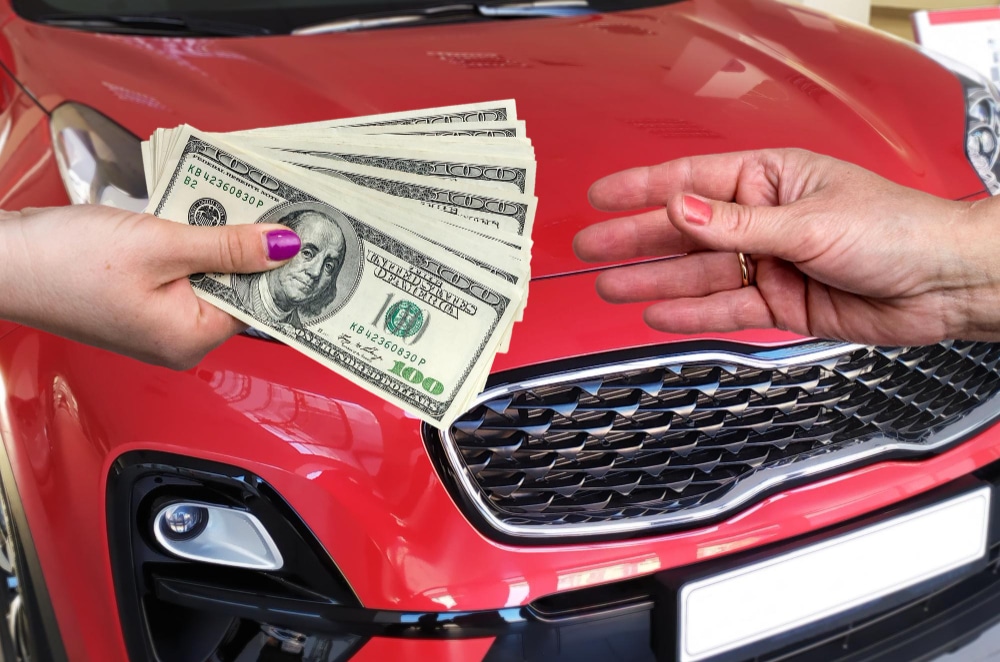
Once you have a good understanding of the value of your junk car, the next step is to find potential buyers who are willing to purchase a vehicle without a title. There are several avenues you can explore:
- Junk or salvage yards: Junk and salvage yards are often the most common buyers for vehicles without a title. These businesses are experienced in dealing with such transactions and may be willing to offer a fair price for your car, regardless of its condition or the lack of a title.
- Auto parts stores: Some auto parts stores may be interested in purchasing junk cars, especially if they can use the parts or scrap the vehicle for its metal value. These buyers may be more open to purchasing a car without a title.
- Private buyers: While private buyers may be more hesitant to purchase a vehicle without a title, there are still some individuals who may be interested, particularly if the price is right. You can try listing your car on online marketplaces or classified ads.
- Dealerships: Some dealerships, especially those that specialize in used or salvage vehicles, may be willing to purchase your junk car without a title. However, keep in mind that they may offer a lower price compared to other buyers.
When reaching out to potential buyers, be upfront about the lack of a title and provide as much information as possible about the vehicle’s condition, history, and any documentation you have. This will help build trust and increase the chances of a successful sale.
Additionally, be prepared to negotiate the price, as buyers may offer less for a car without a title. By understanding the value of your junk car and being flexible with the negotiation process, you can increase your chances of finding a buyer who is willing to purchase your vehicle without a title.
Negotiating the sale and completing the necessary paperwork
Negotiating the sale of a vehicle without a title can be a delicate process, as potential buyers may be wary of the risks involved. However, with the right approach and preparation, you can navigate this step successfully.
- Provide all relevant documentation: Before entering into negotiations, ensure that you have gathered all the necessary documentation, such as a bill of sale, salvage certificate, or junkyard receipt. These documents can help establish your ownership and legitimacy of the transaction.
- Be transparent about the vehicle’s history: Be upfront with the buyer about the vehicle’s history, including any damage, repairs, or issues that may be relevant. Providing this information can build trust and demonstrate your honesty, which can be crucial when selling a car without a title.
- Emphasize the vehicle’s value: While the lack of a title may lower the perceived value of the car, highlight the vehicle’s other attributes, such as its mechanical condition, parts value, or scrap metal worth. This can help justify the price you’re asking for.
- Negotiate the price: Expect buyers to offer a lower price due to the lack of a title. Be prepared to negotiate and find a mutually agreeable price that works for both parties. Keep in mind that the buyer may have additional costs, such as obtaining a bonded title, that they will factor into their offer.
- Agree on the terms of the sale: Once you’ve reached an agreement on the price, work with the buyer to outline the terms of the sale, including the payment method, any warranties or guarantees, and the timeline for the transaction.
- Complete the necessary paperwork: Depending on your state’s requirements, you may need to fill out specific forms or documents to transfer ownership of the vehicle. This may include a bill of sale, a transfer of ownership form, or any other documentation required by your local DMV.
- Provide the buyer with all relevant documentation: Make sure to give the buyer all the documentation you have, including the bill of sale, any repair or maintenance records, and any other relevant information about the vehicle.
Remember, the process of selling a car without a title may involve additional steps and requirements, so it’s important to research the specific laws and regulations in your state. By being transparent, negotiating fairly, and completing the necessary paperwork, you can increase the chances of a successful sale and ensure a smooth transaction for both parties.
Selling your junk car to a junkyard or salvage yard
One of the most common ways to sell a car without a title is to approach a junkyard or salvage yard. These businesses are often willing to purchase vehicles, even without a valid title, as they are primarily interested in the car’s parts or scrap metal value.
When selling your junk car to a junkyard or salvage yard, there are a few key steps to follow:
- Research and compare local options: Start by researching various junkyard and salvage yard options in your local area. Compare their offers, policies, and reputation to find the best fit for your situation.
- Provide documentation: Even without a title, you’ll need to provide some form of documentation to prove your ownership of the vehicle. This may include a bill of sale, a salvage certificate, or a junkyard receipt from a previous transaction.
- Negotiate the price: Junkyard and salvage yard buyers are typically aware that vehicles without titles have a lower market value. Be prepared to negotiate the price, but also be realistic about the car’s condition and worth.
- Understand the payment process: Junkyards and salvage yards may have different payment methods, such as cash, check, or even payment via towing services. Discuss the payment terms upfront to ensure a smooth transaction.
- Complete the necessary paperwork: Depending on your state’s requirements, you may need to fill out specific forms or documentation to transfer the vehicle’s ownership to the junkyard or salvage yard. Be sure to follow all the necessary steps.
- Arrange for the vehicle’s removal: Most junkyards and salvage yards will handle the towing or transportation of the vehicle, so you won’t have to worry about moving it yourself.
Selling your junk car to a junkyard or salvage yard can be a straightforward and hassle-free option, especially if you don’t have a valid title. These businesses are experienced in dealing with such transactions and can provide a convenient way to turn your unwanted vehicle into cash, even if it’s not in the best condition.

Selling your junk car to a private buyer
While selling a junk car without a title to a junkyard or salvage yard can be a convenient option, you may also consider selling it to a private buyer. This approach can potentially result in a higher sale price, but it also comes with its own set of challenges and considerations.
- Advertise your vehicle: Start by listing your junk car on online marketplaces, classified ads, or local community forums. Be upfront about the lack of a title and provide as much detailed information about the vehicle’s condition and history as possible.
- Screen potential buyers: When engaging with private buyers, be cautious and take the time to screen them thoroughly. Ask for identification, verify their contact information, and be wary of any suspicious behavior or offers that seem too good to be true.
- Provide documentation: Just as with selling to a junkyard or salvage yard, you’ll need to provide the buyer with documentation to prove your ownership of the vehicle, such as a bill of sale or a salvage certificate.
- Negotiate the price: Private buyers may be more hesitant to purchase a vehicle without a title, so you may need to be more flexible with the price. Emphasize the vehicle’s value, condition, and any other relevant factors to justify the asking price.
- Comply with state regulations: Depending on your state’s laws, there may be specific requirements for selling a vehicle without a title to a private buyer. Research these regulations and be prepared to follow the necessary steps.
- Finalize the sale: Once you’ve reached an agreement with the buyer, work together to complete the sale and transfer of ownership. This may involve signing a bill of sale, providing the necessary documentation, and ensuring that the transaction is properly recorded.
Selling a junk car to a private buyer without a title can be more time-consuming and complex than dealing with a junkyard or salvage yard. However, it may also result in a higher sale price if you can find a buyer who is willing to take on the additional risks and paperwork involved. Carefully weigh the pros and cons and choose the approach that best suits your needs and circumstances.
Conclusion: Weighing the pros and cons of selling a vehicle without a title
Selling a vehicle without a title can be a challenging, but not impossible, endeavor. While it may require additional steps and documentation, it can still be a viable option for those looking to unlock cash from their junk or unwanted cars.
The key advantages of selling a car without a title include:
- Opportunity to monetize an otherwise useless asset: Even if your car is in poor condition or no longer roadworthy, you can still convert it into cash by selling it to a junkyard, salvage yard, or private buyer.
- Potential for higher profits: In some cases, you may be able to negotiate a better price with a private buyer compared to a junkyard or salvage yard, especially if the vehicle has valuable parts or scrap metal.
- Convenience of working with experienced buyers: Junkyards and salvage yards are often well-versed in the process of purchasing vehicles without titles and can provide a straightforward, hassle-free transaction.
On the other hand, the potential drawbacks of selling a car without a title include:
- Increased complexity and additional requirements: Navigating the sale of a vehicle without a title can involve more paperwork, documentation, and compliance with state-specific regulations, which can be time-consuming and challenging.
- Lower sale prices: Buyers may offer a lower price for a vehicle without a title due to the perceived risks and uncertainties involved.